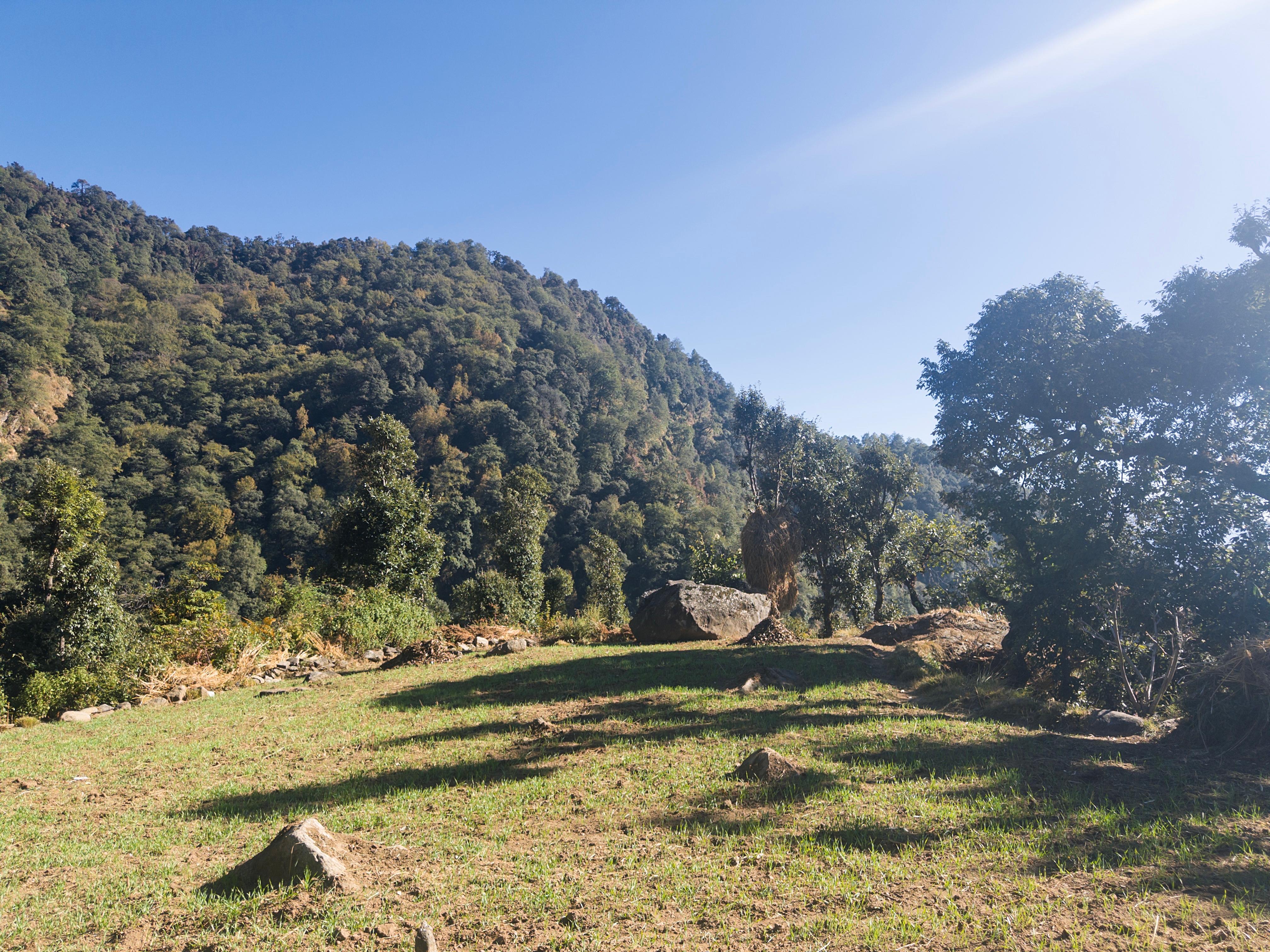
Kaviltha: Where Heritage Lives
A Journey into India's Literary Heartland
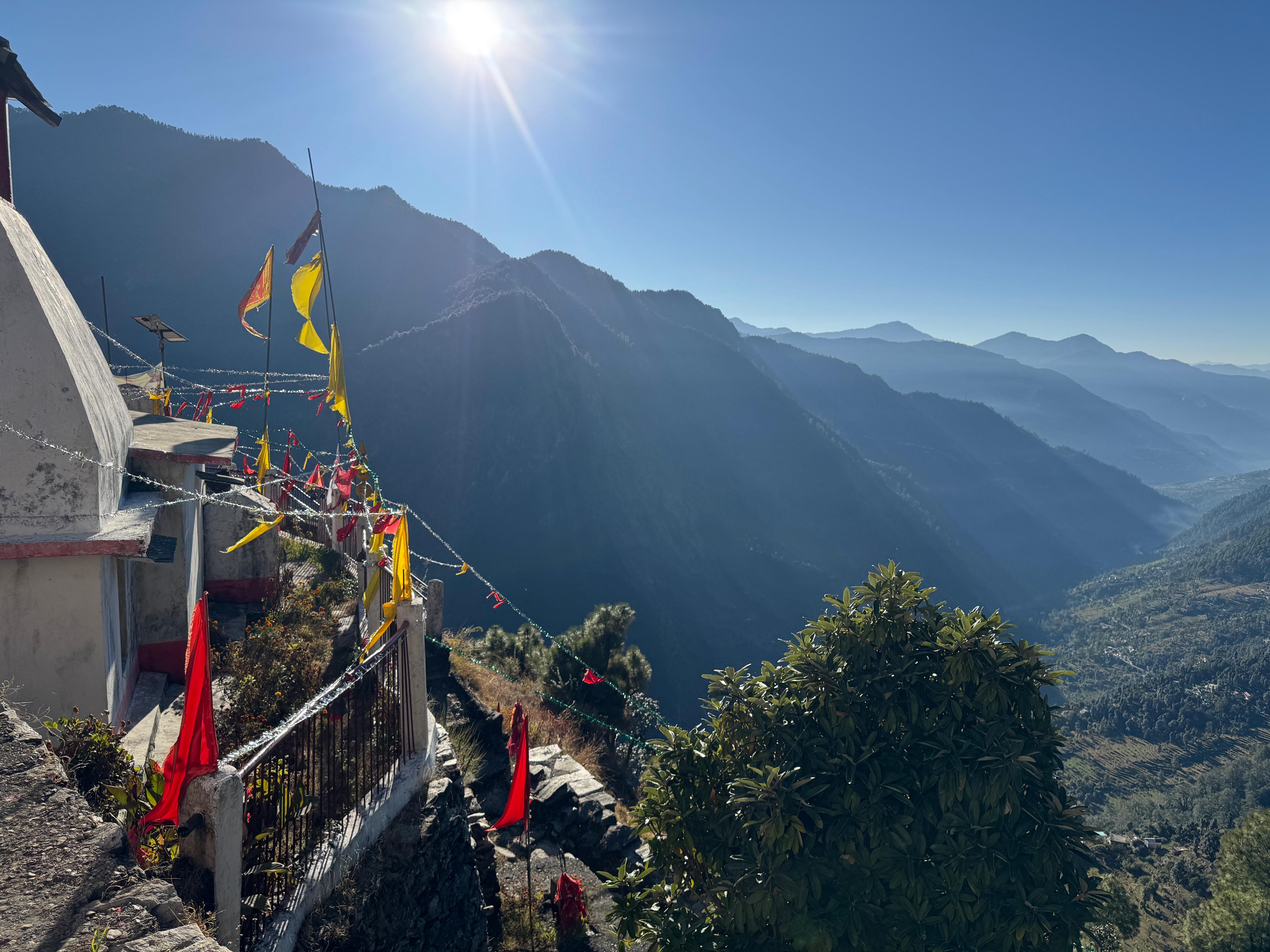
The Village Where Poetry Was Born
A Living Tapestry of Tradition
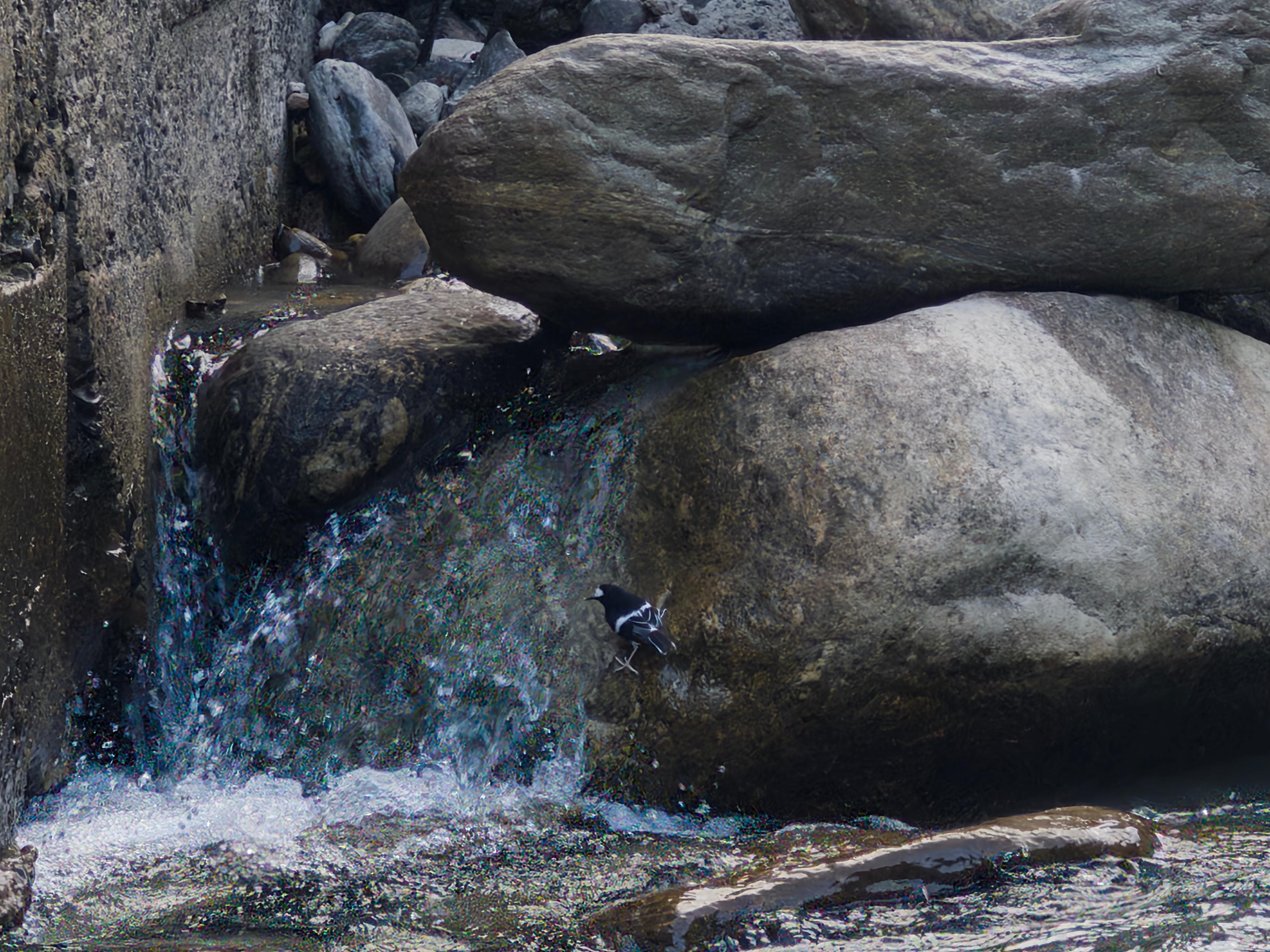
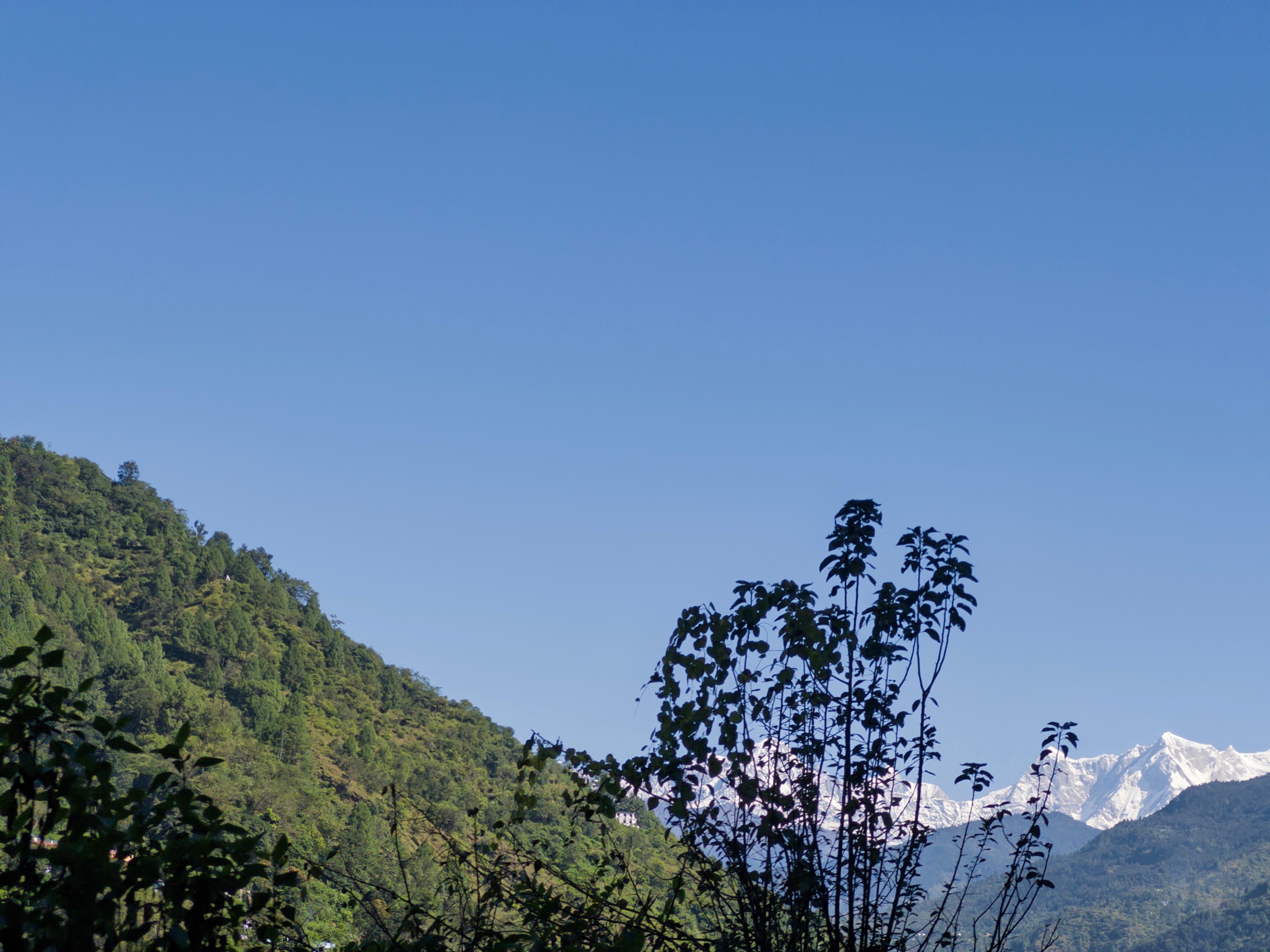
Journey to the Poet's Homeland
By Air
Jolly Grant Airport in Dehradun serves as your gateway, lying 200 kilometers distant. From there, the real journey begins—a taxi or bus winds through river valleys and climbing switchbacks, each kilometer bringing the Himalayas closer until they fill your entire horizon.
By Train
Trains from across India connect to Haridwar or Rishikesh, the traditional starting points for Himalayan journeys. From Rishikesh, buses climb to Rudraprayag, then continue along the Kedarnath route. Kaviltha appears three kilometers before Kalimath—watch for the village perched above the road.
By Road
The drive from Rishikesh follows the ancient pilgrimage corridor to Kedarnath, tracing river gorges and crossing bridges that seem suspended in clouds. Beyond Rudraprayag, the landscape grows wilder and more spectacular with each passing valley. Kaviltha lies just three kilometers before Kalimath—a journey of roughly six hours that feels like traveling back through centuries.
When the Mountains Call
Spring arrives in March with rhododendron blooms painting the hillsides crimson, and lingers through June's warm days before the monsoon's dramatic curtains descend. Autumn—September through November—brings crystalline skies and harvest festivals, including October's Ramleela celebration when the village comes magnificently alive. These are the months when Kaviltha reveals its full splendor, when you might understand why Kalidasa chose these mountains as the setting for divine love stories.
Moments That Await
- ◆Stand before the ancient Kali Ma Temple at dawn, when incense smoke mingles with mountain mist
- ◆Walk the village paths where Kalidasa may have taken his first steps as a poet
- ◆Witness Ramleela—when farmers become epic heroes and firelight illuminates ageless stories
- ◆Listen to the silence that inspired Meghaduta's cloud messenger
- ◆Share chai with villagers who carry forward traditions unchanged for generations
- ◆Watch the sun set behind peaks that Kalidasa described in verses still recited today
Sources & Scholarly Works
The recognition of Kaviltha as Kalidasa's birthplace rests on decades of scholarly research, textual analysis, and the preservation of local oral traditions. The following sources have contributed to our understanding of this literary pilgrimage site:
Kaviltha: Birthplace of Kalidas
https://www.merapahadforum.com/religious-places-of-uttarakhand/kaviltha-birth-place-of-kalidas/A comprehensive examination of the geographical and historical evidence linking Kaviltha to Kalidasa, including the village's proximity to Kalimath and the oral traditions preserved by local communities.
Memorial of Mahakavi Kalidasa in the Himalayas
https://ghughuti.org/memorial-of-mahakavi-kalidasa-in-himalayas/Documentation of the memorial established in Kaviltha to honor the poet's legacy, including scholarly recognition of the site and the cultural significance it holds for Sanskrit literary heritage.
Mahakavi Kalidasa Ki Janmabhumi Himalaya Garhwal
Author: Acharya Dharmanand Jamloki
The foundational scholarly work on Kalidasa's Himalayan origins. Through meticulous analysis of geographical descriptions in Kumar Sambhavam, Meghaduta, and Raghuvansham, Jamloki demonstrated that only intimate, lifelong familiarity with this specific Himalayan landscape could have produced such precise literary portraits.