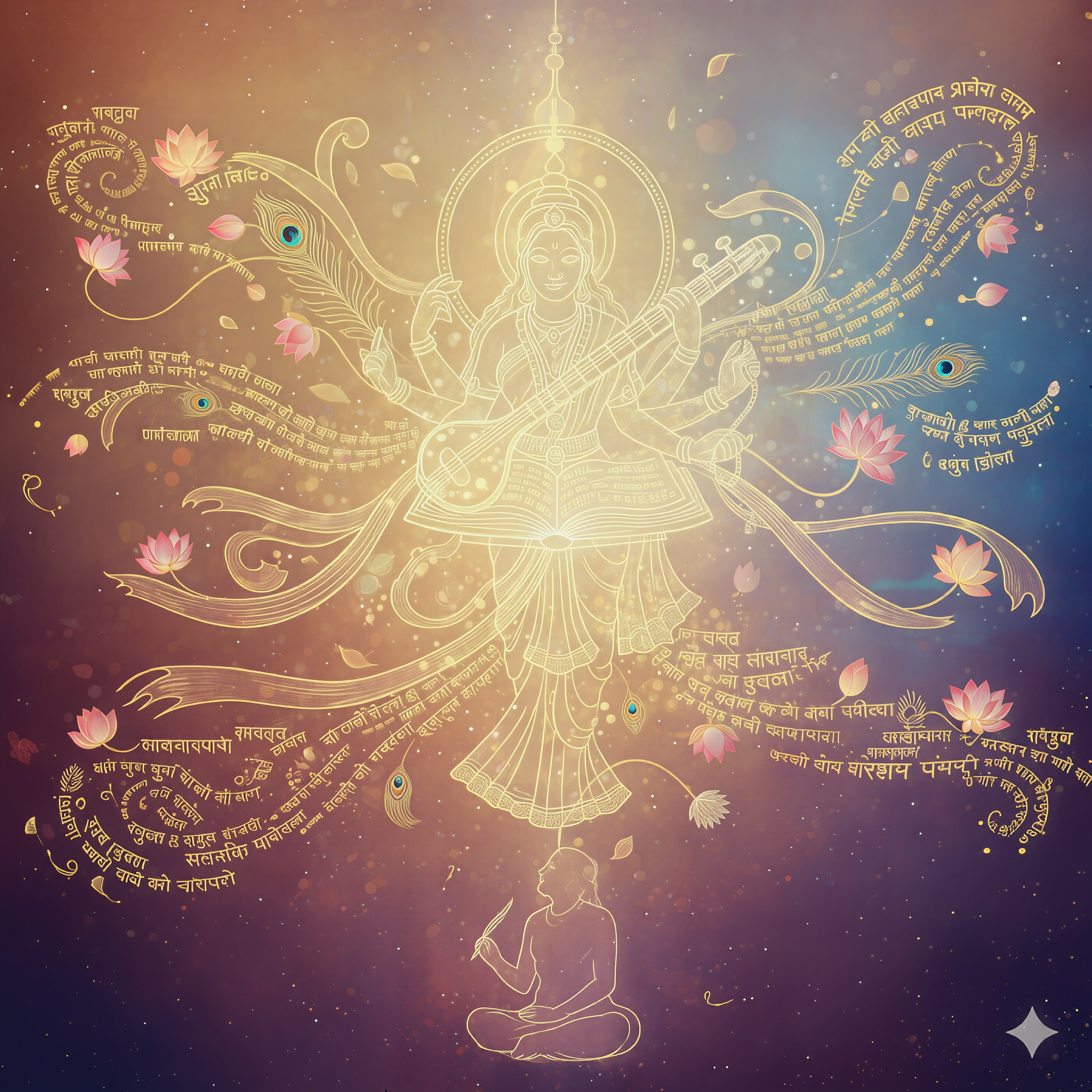
5th Century CE • Classical Sanskrit Poet
Mahakavi Kalidasa
From Kaviltha to Immortality — A Memorial in the Himalayas
Born
Kaviltha, Uttarakhand
Flourished
Court of Ujjain
Period
5th Century CE
Known For
Sanskrit Poetry
The Life of a Master Poet
The village of Kaviltha was not just a birthplace—it was the crucible where Kalidasa's artistic vision was forged. The natural beauty of the Himalayan foothills, the spiritual atmosphere of the Kali Ma Temple, and the rich cultural traditions of the region all found expression in his poetry. The great poet and writer was born here in the Himalayas, and this connection to the land is deeply woven into the cultural fabric of Kaviltha.
Understanding the historical context of Kalidasa not only enriches our appreciation of his writings, but it also sheds light on the environment that inspired his creative genius. With each passing year, the significance of his contributions to literature and the arts only grows stronger!
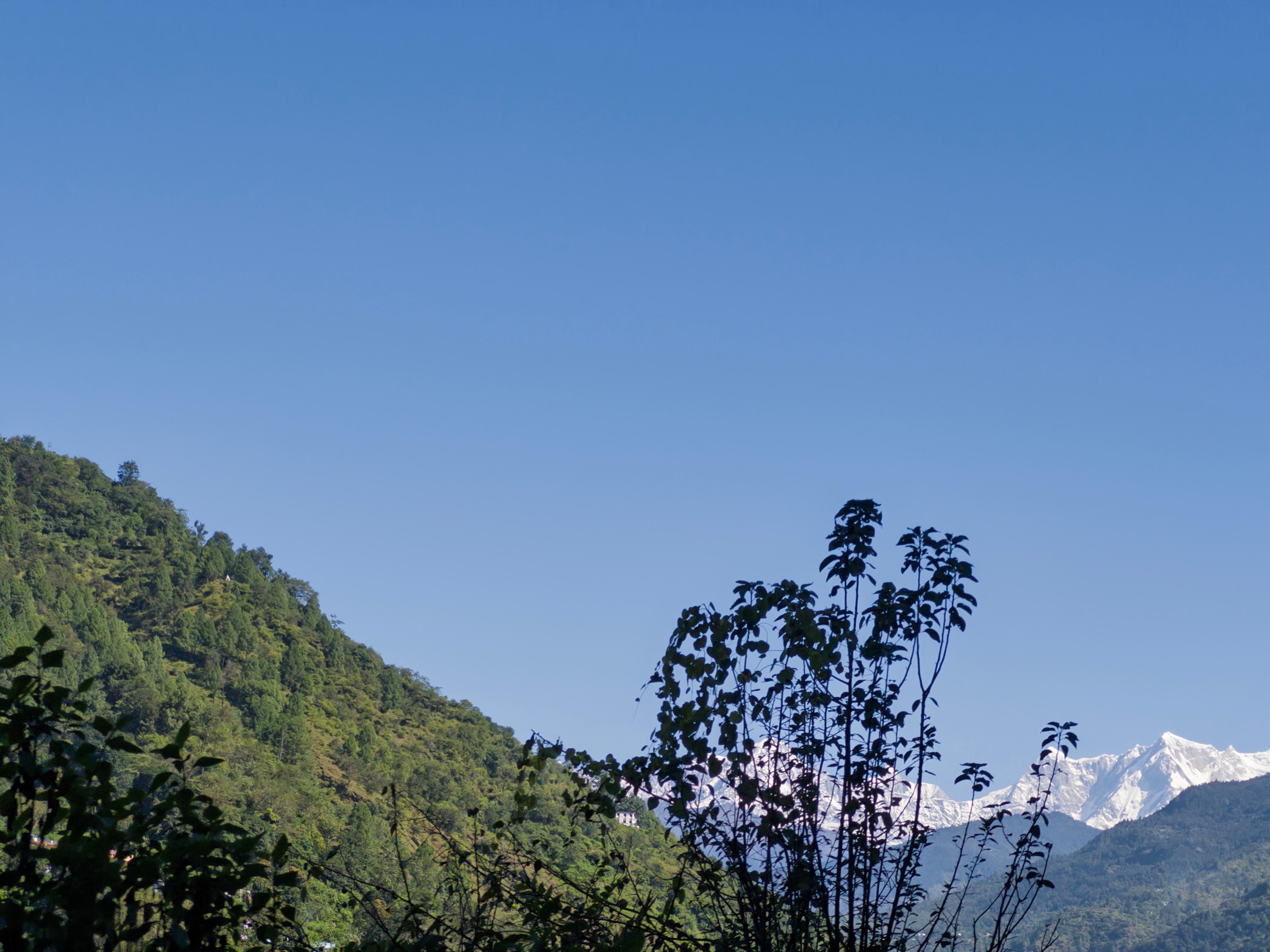
Timeless Masterpieces
Kalidasa's literary genius is evident in his diverse body of work, which includes epic poems, lyrical poetry, and dramatic plays. Each work showcases his mastery of Sanskrit language and his deep understanding of human emotions, nature, and spirituality. His works are not just simple tales; they embody the essence of human emotions, nature, and the divine.
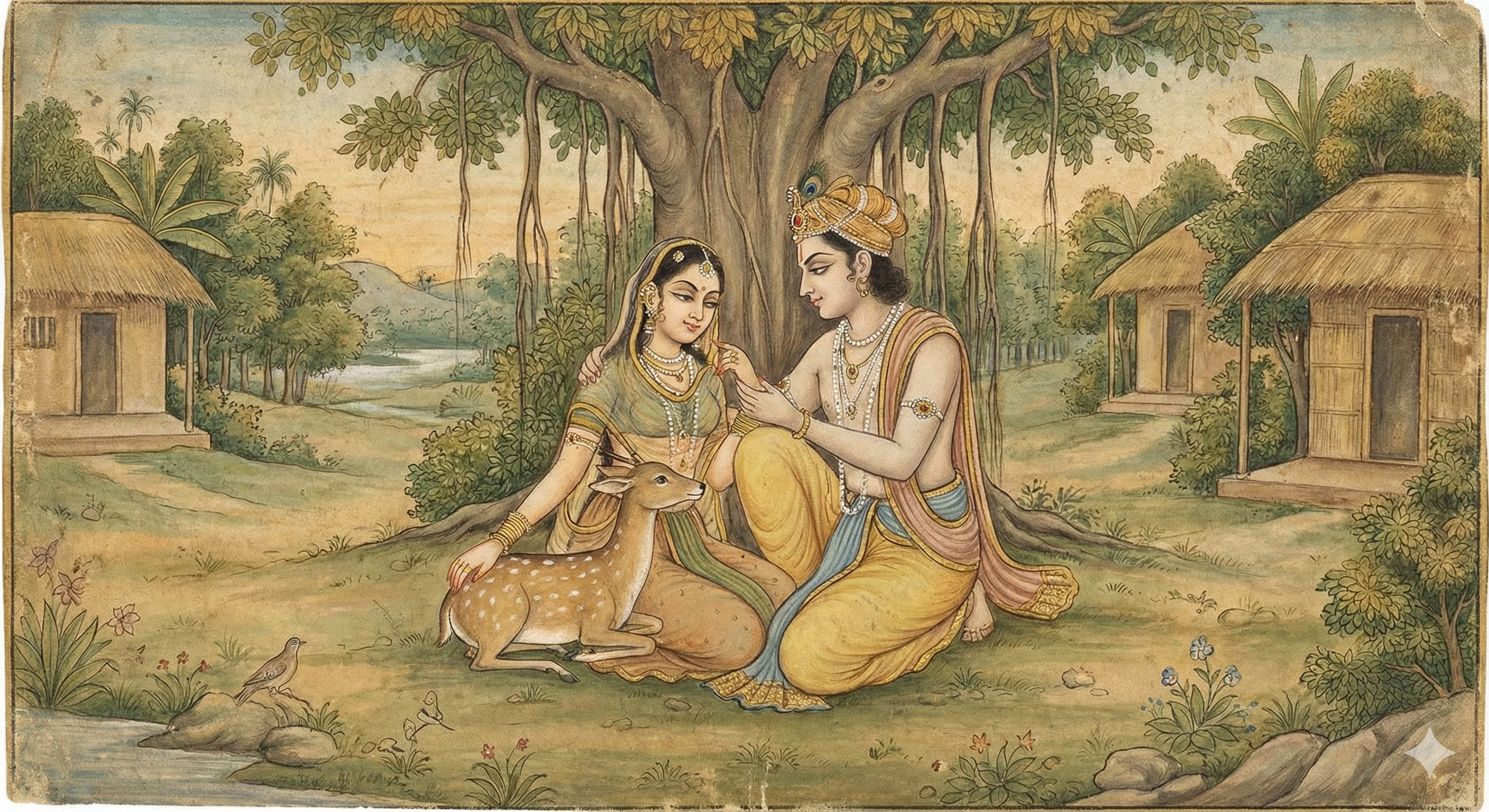
Shakuntala (Abhijnana Shakuntalam)
A poignant tale of love and destiny. This play tells the story of King Dushyanta and Shakuntala, exploring themes of love, memory, and recognition. It is considered one of the greatest works of Sanskrit drama and has been adapted into films, plays, and dance performances worldwide.
Significance: This play showcases Kalidasa's skill in character development and dramatic storytelling. The interaction between characters and their natural surroundings reflects deeper feelings, making it a vital part of literary studies.
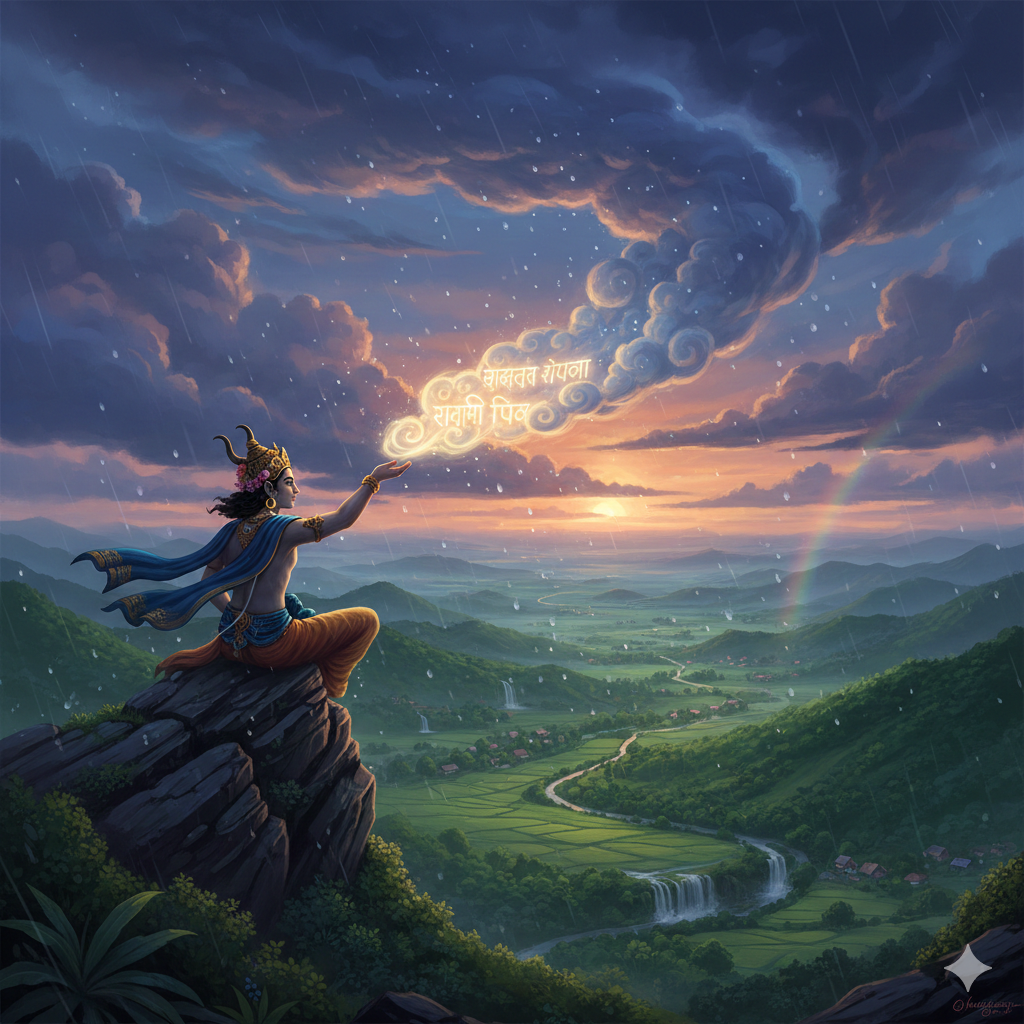
Meghaduta (The Cloud Messenger)
A lyrical poem that portrays the beauty of longing. The poem tells the story of a yaksha separated from his beloved, who sends a message to his lover through a cloud. It is celebrated for its beautiful descriptions of nature and the journey of a cloud carrying a message of love across India.
Significance: This work demonstrates Kalidasa's ability to personify nature and create vivid imagery through words. His poetic style is rich with metaphors and vivid imagery, allowing readers to visualize the scenes he paints with words.
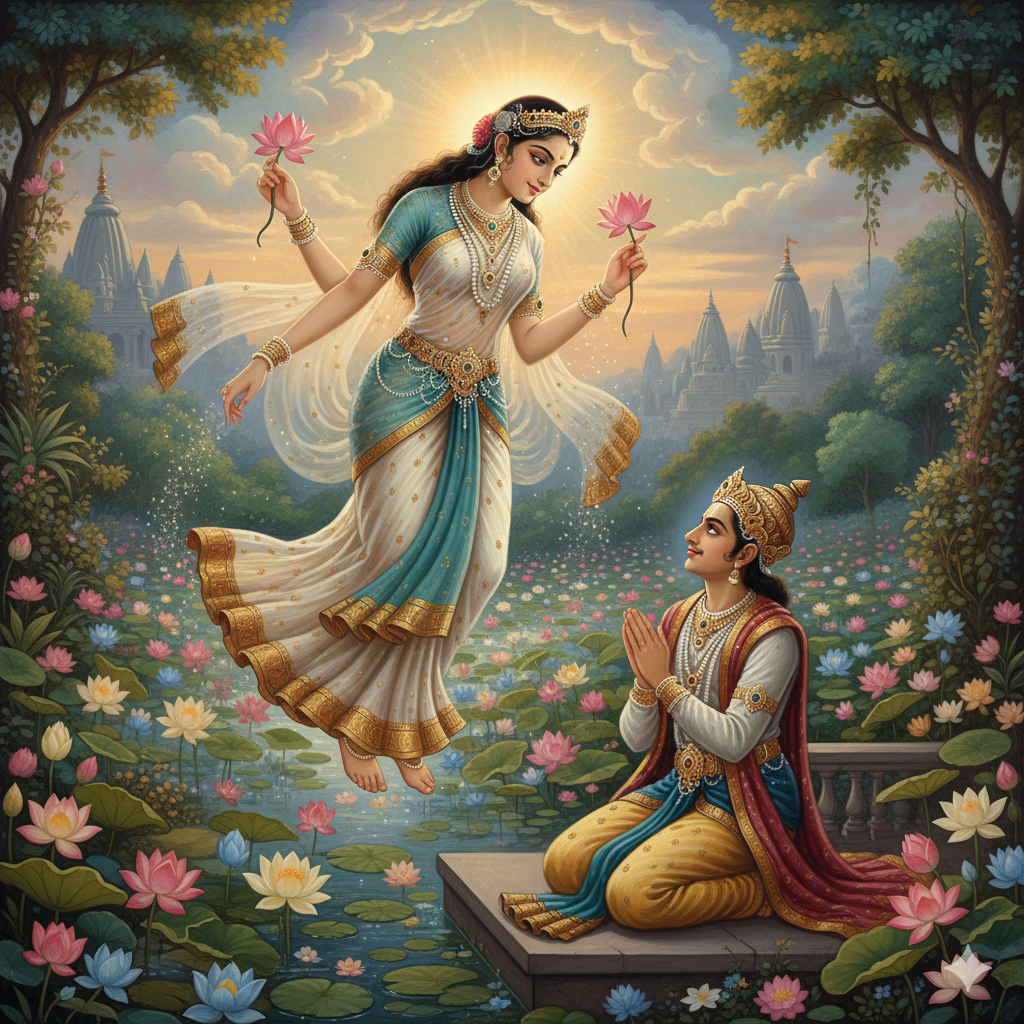
Vikramorvashiya (The Hero and the Nymph)
A play that explores themes of love and separation. It tells the love story between King Pururavas and the celestial nymph Urvashi, exploring themes of love, separation, and reunion.
Significance: This play demonstrates Kalidasa's versatility in handling different dramatic themes and his ability to weave intricate emotions into his narratives.
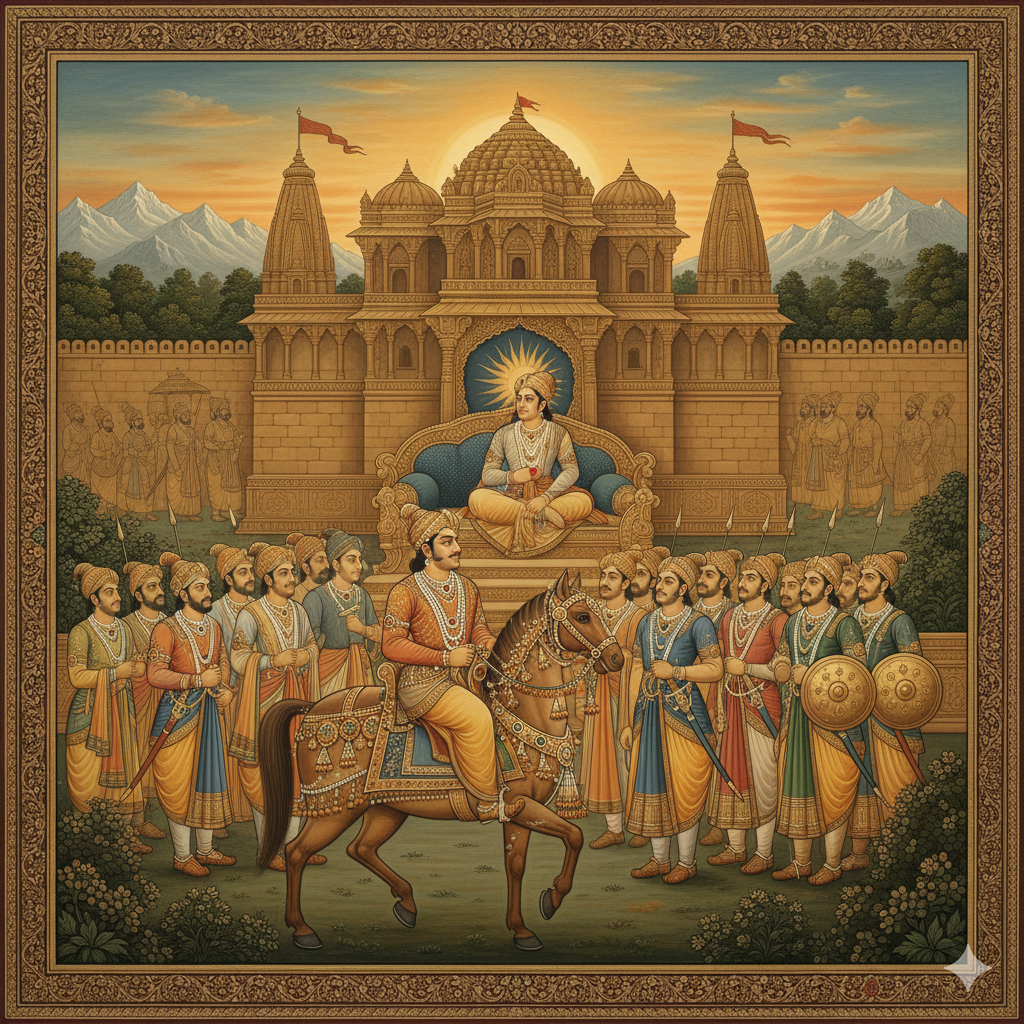
Raghuvamsha (The Dynasty of Raghu)
An epic poem that narrates the history of the Raghu dynasty, including the story of Lord Rama. It is admired for its poetic beauty and historical narrative.
Significance: This epic demonstrates Kalidasa's mastery of epic poetry and his ability to weave mythology with literary artistry.
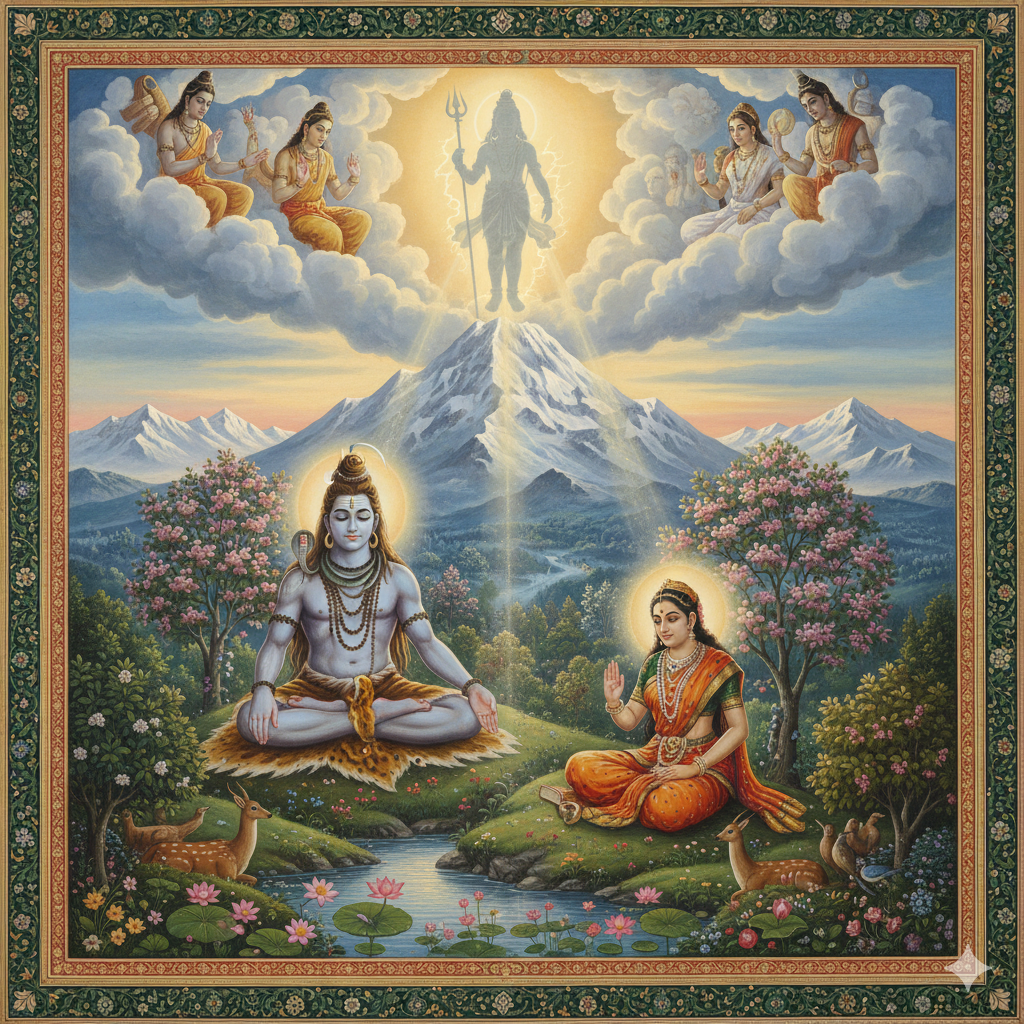
Kumarasambhava (The Birth of the War God)
An epic poem describing the birth of Lord Kartikeya, the son of Shiva and Parvati. The poem is celebrated for its beautiful descriptions and poetic excellence.
Significance: This work showcases Kalidasa's ability to transform mythology into sublime poetry.
Kaviltha: The Source of Inspiration
Geographical and Cultural Overview:
Kaviltha is nestled in the scenic region of Rudraprayag, surrounded by magnificent mountains and lush greenery. The village offers a breathtaking view of the Himalayas, making it an ideal location for inspiration. Its geographical features are a constant reminder of the beauty that Kalidasa celebrated in his works.
Culturally, Kaviltha is a melting pot of traditions and art forms. The local community actively engages in preserving their heritage, organizing events that showcase folk dances, music, and poetry recitals that echo Kalidasa's influence. This vibrant atmosphere attracts both tourists and scholars alike, eager to explore this cultural haven.
Visiting Kaviltha today, one can still feel the artistic energy that inspired Kalidasa. The village maintains its connection to the poet through various cultural practices, including the annual Ramleela festival, which celebrates the same epic traditions that Kalidasa immortalized in his works.
The Memorial of Mahakavi Kalidasa in Kaviltha
Visitors come here to pay their respects and learn more about his legacy. The memorial serves as a reminder of the impact he had on literature and culture, making it a significant landmark in Kaviltha. It is said that the great poet and writer was born here in the Himalayas, and this memorial honors that connection to the sacred land.
📍 Location: The memorial is located in Kaviltha village (also known as Kavilda), near Kalimath in Rudraprayag district, Uttarakhand, in the scenic region surrounded by magnificent mountains and lush greenery.
Kalidasa Mela: Celebrating the Poet's Legacy
Cultural Events at the Mela:
- Poetry Recitals: Local poets and enthusiasts recite Kalidasa's works and share their own compositions inspired by his style
- Art Exhibitions: Visual artists showcase works inspired by Kalidasa's themes of nature, love, and spirituality
- Traditional Dance Performances: Dancers perform interpretations of Kalidasa's plays and poems
- Literary Discussions: Scholars and literature enthusiasts engage in discussions about Kalidasa's influence on modern literature
Planning your visit to coincide with the Kalidasa Mela offers a unique opportunity to experience the vibrancy of the local culture firsthand and engage with the community in celebrating this literary giant.
The Enduring Influence of Kalidasa's Works
Contemporary Relevance:
Kalidasa's writings reflect universal themes such as love, nature, and the human experience, making them timeless and relatable even now. Many modern authors draw inspiration from his poetic style and dramatic narratives. His works serve as a bridge connecting traditional Indian literature to today's narratives.
Global Recognition:
Kalidasa's works have a global footprint, influencing writers and scholars beyond India. His plays and poems have been translated into numerous languages, ensuring that his voice reaches a diverse audience. This global recognition underlines the universal appeal of his themes. Many universities include his works in their curriculum, bridging cultural gaps and fostering appreciation for his art.
Influence on Modern Arts:
From plays to poetry, Kalidasa's influence can be seen in various forms of art and literature. He has inspired countless writers and artists, leading to a rich evolution of literary styles. His works have been adapted into films, plays, and even dance performances, showcasing the versatility and relevance of his storytelling.
- Influence on Bollywood and regional cinema
- Adaptations in theatre and dance
- Interpretations in visual art and music
Discovering the Kalidasa Within You
The village invites you to discover the Kalidasa within yourself—the capacity to appreciate beauty, to express emotions through art, and to find meaning in the world around you. Whether you're a literature enthusiast, a spiritual seeker, or simply someone who appreciates beauty, Kaviltha offers a unique opportunity to connect with one of India's greatest cultural treasures.
Planning Your Visit:
When visiting the Kalidasa Memorial, consider checking the local event calendar to coincide your visit with the Kalidasa Mela, where you can experience the vibrancy of the local culture firsthand. Don't forget to engage with locals and other visitors! Sharing experiences and stories can enrich your visit, offering new insights into Kalidasa's timeless influence.
References and Further Reading
The information about Mahakavi Kalidasa and the memorial in Kaviltha is supported by scholarly research and historical sources:
Memorial of Mahakavi Kalidasa in Himalayas - Ghughuti
https://ghughuti.org/memorial-of-mahakavi-kalidasa-in-himalayas/Comprehensive information about the Kalidasa Memorial in Kaviltha village near Kalimath, Rudraprayag. Details about the annual Kalidasa Mela, cultural significance, and the poet's connection to the Himalayas.
Kaviltha, Birth place of Kalidas - MeraPahad Forum
https://www.merapahadforum.com/religious-places-of-uttarakhand/kaviltha-birth-place-of-kalidas/Detailed discussion about Kaviltha as the birthplace of Kalidasa, including scholarly research and geographical information.